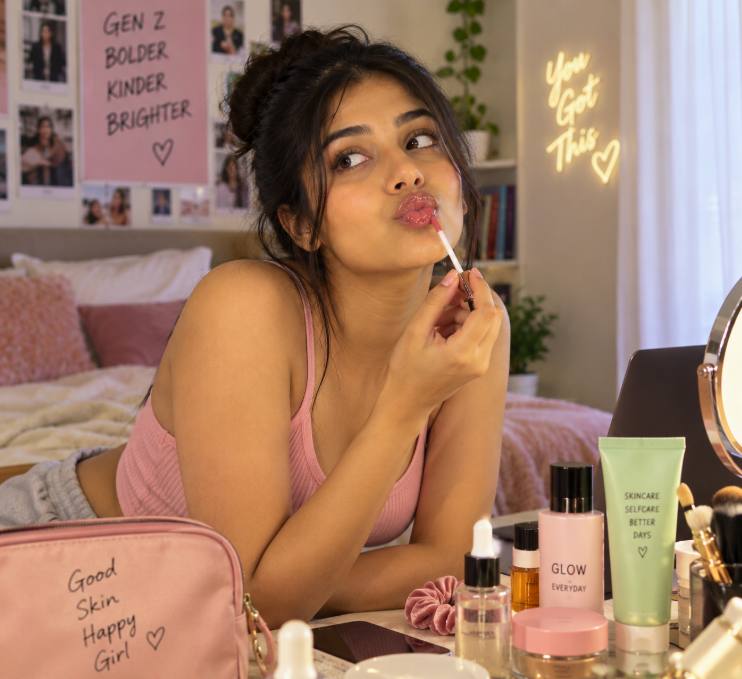
India's beauty market is becoming younger, more digital and considerably more ingredient-aware. Gen Z shoppers are no longer simply copying the beauty routines of older consumers, while Gen Alpha is encountering skincare language at an age when previous generations were barely thinking about cleansers. Social video, creators, K-beauty, quick commerce and ingredient-led brands have made products easier to discover, compare and buy, but they have also created a new challenge: what is appropriate for a 22-year-old is not necessarily appropriate for a 12-year-old.
The commercial shift is already visible. Flipkart said in June 2026 that Gen Z accounted for nearly 60% of beauty purchases on its platform, while two in three beauty searches came from non-metro India. NIQ, meanwhile, describes Indian beauty as a fast-growing market shaped by premiumisation, digital commerce, active ingredients and the convergence of beauty and wellness. For brands, the opportunity is substantial. For consumers, the more important question is whether products match their actual age, skin and needs rather than simply appearing in a viral routine.
Gen Z is moving from aspiration to ingredient literacy
Young Indian beauty shoppers increasingly want to understand what a product does. Sunscreen is discussed by SPF and texture, serums by ingredients, and moisturisers by skin type rather than simply by promises of “glow.” This does not mean every shopper has become a cosmetic chemist, but product vocabulary has clearly moved into everyday conversation.
That shift rewards brands that explain formulations in plain language. Gen Z is comfortable comparing niacinamide, salicylic acid, ceramides and hyaluronic acid, but it also expects products to fit real routines. Lightweight textures, easy layering and products that work under makeup or in hot weather can matter as much as an impressive ingredient list.
Social media is the beauty counter
Beauty discovery has moved far beyond television advertising and celebrity billboards. Creators demonstrate products in real time, compare affordable alternatives and introduce international trends almost instantly. Recent Indian market coverage has highlighted how community recommendations, micro-influencers and regional-language creators increasingly shape what younger consumers discover.
This creates a more democratic beauty culture, but it can also blur the distinction between entertainment and expertise. A dramatic before-and-after video is not a dermatological diagnosis, and a product that works for an influencer may be unsuitable for somebody else's skin. The smartest young consumers are beginning to combine social discovery with ingredient research, reviews and professional advice when a genuine skin condition is involved.
Gen Alpha requires a completely different beauty conversation
“Gen Z and Gen Alpha” is convenient marketing language, but the two groups should not be treated as one skincare audience. Adult Gen Z consumers can make their own decisions about sophisticated active ingredients. Gen Alpha still includes children, whose skin and developmental needs are different. Pediatric dermatology guidance generally favours a simple, gentle approach for tweens and young teens rather than elaborate routines filled with strong actives.
For younger users without a diagnosed skin problem, the basic formula is deliberately boring: gentle cleansing, appropriate moisturising and sun protection. Strong exfoliating acids, retinoids and expensive anti-ageing products should not become childhood essentials simply because they are popular online. If acne, eczema or persistent irritation develops, parents and young people are better served by professional advice than by adding another viral serum.
Age-appropriate is becoming a product category of its own
This distinction creates an opening for beauty companies. Products for younger consumers can focus on mild formulations, clear instructions and realistic claims instead of miniaturising adult anti-ageing routines. Packaging can still be playful and desirable without suggesting that a child needs to prevent wrinkles or “fix” normal skin.
For teenagers, the priorities change as oiliness, acne and hormonal shifts become more relevant. Even then, more products do not automatically produce better skin. Indian dermatologists have repeatedly warned about over-exfoliation and complicated routines among young consumers. Brands that encourage responsible use may ultimately build more trust than those selling five active products for the same concern.
Affordable beauty and premium beauty are growing together
One of the most interesting characteristics of India's youth market is that value consciousness does not eliminate aspiration. A Gen Z shopper may buy an affordable cleanser while saving for a premium fragrance or imported lip product. Flipkart's 2026 beauty data pointed to strong premium-category growth alongside the broader expansion of online beauty purchasing.
This “mix and match” approach means brands cannot assume that younger consumers belong permanently to one price tier. They may trade up when a product feels distinctive, effective or culturally desirable, then return to a mass-market staple for something functional. Value is increasingly judged by performance and relevance rather than price alone.
K-beauty, skinification and hybrid products remain influential
Korean beauty has helped normalise ideas such as lightweight hydration, glossy finishes, lip tints, essences and skincare-led makeup. At the same time, “skinification” is spreading skincare language into makeup, body care and hair care. Consumers increasingly encounter foundations marketed with skincare ingredients, scalp serums inspired by facial care and body products positioned around barrier support.
The strongest hybrid products solve a practical problem rather than simply adding a fashionable ingredient to the label. Young shoppers are quick to investigate claims, and online reviews make disappointing performance difficult to hide. A sunscreen that pills under makeup or a serum that feels unpleasant in humid weather can lose momentum regardless of how impressive its marketing sounds.
Personalisation is replacing one Indian beauty ideal
India cannot realistically be treated as a single beauty profile. Skin tones, climates, hair textures, budgets and cultural preferences vary dramatically between regions and cities. Younger consumers are increasingly expecting shade ranges and product recommendations that acknowledge those differences.
This is particularly relevant to complexion products and sunscreen, where white cast, undertone and finish can determine whether a product is actually usable. The same applies to hair care: routines designed around one texture cannot represent the entire country. Digital-first brands have an opportunity to make personalisation practical through better filters, education and product matching rather than merely using the word in advertising.
The next beauty winner may be the brand that tells young shoppers to buy less
That sounds counterintuitive, but trust is becoming valuable in a market saturated with launches. A company that clearly explains who needs a product, who does not and how frequently it should be used can differentiate itself from brands encouraging every teenager to build a twelve-step routine. Transparency about age suitability is especially important when marketing reaches Gen Alpha.
India's younger beauty consumers are not abandoning beauty culture; they are redefining it. Gen Z is pushing the market toward experimentation, ingredient awareness, digital discovery and personalised performance, while Gen Alpha is forcing brands and parents to confront where beauty enthusiasm should meet age-appropriate limits. The opportunity is enormous, but the most sustainable version of the trend will not be about persuading young girls that they need more products. It will be about giving each age group better products, clearer information and a healthier understanding of what personal care is actually for.